

To More Inquiry

Varanasi and Ayodhya: The Twin Spiritual Capitals of Uttar Pradesh
Varanasi and Ayodhya represent two complementary pillars of India’s spiritual, literary, and philosophical heritage. Located merely 200 kilometers apart on the fertile plains of Uttar Pradesh, both rank among the seven holiest cities (Sapta Puri) of Hindu tradition. While Varanasi embodies the cosmic, transcendent energy of Lord Shiva and liberation (Moksha), Ayodhya reflects righteous living, duty, and divine kingship (Dharma) through the life of Lord Rama.
The Essence of Varanasi: Kashi and the Ganga
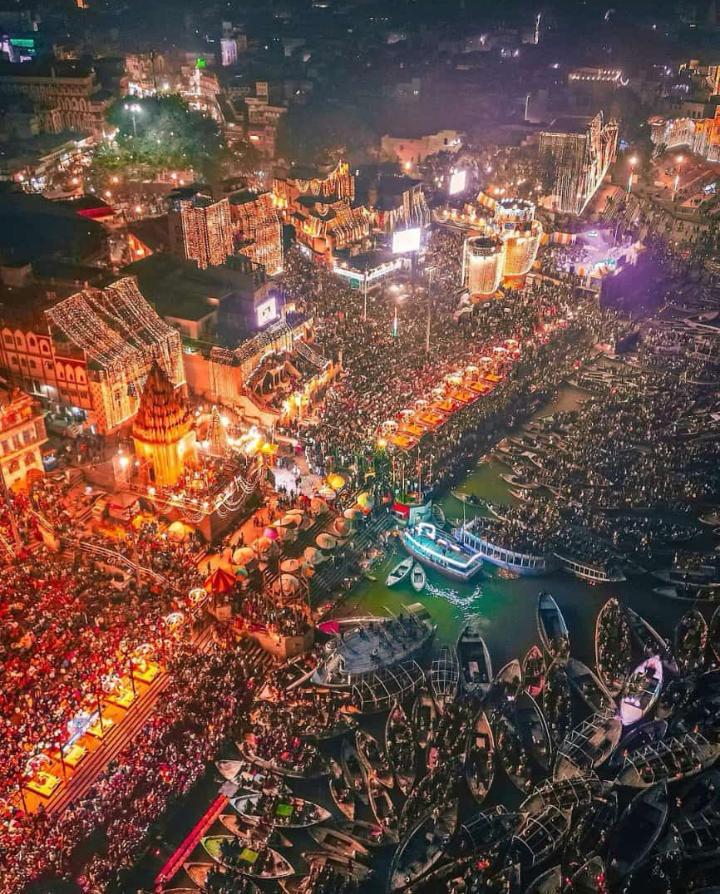
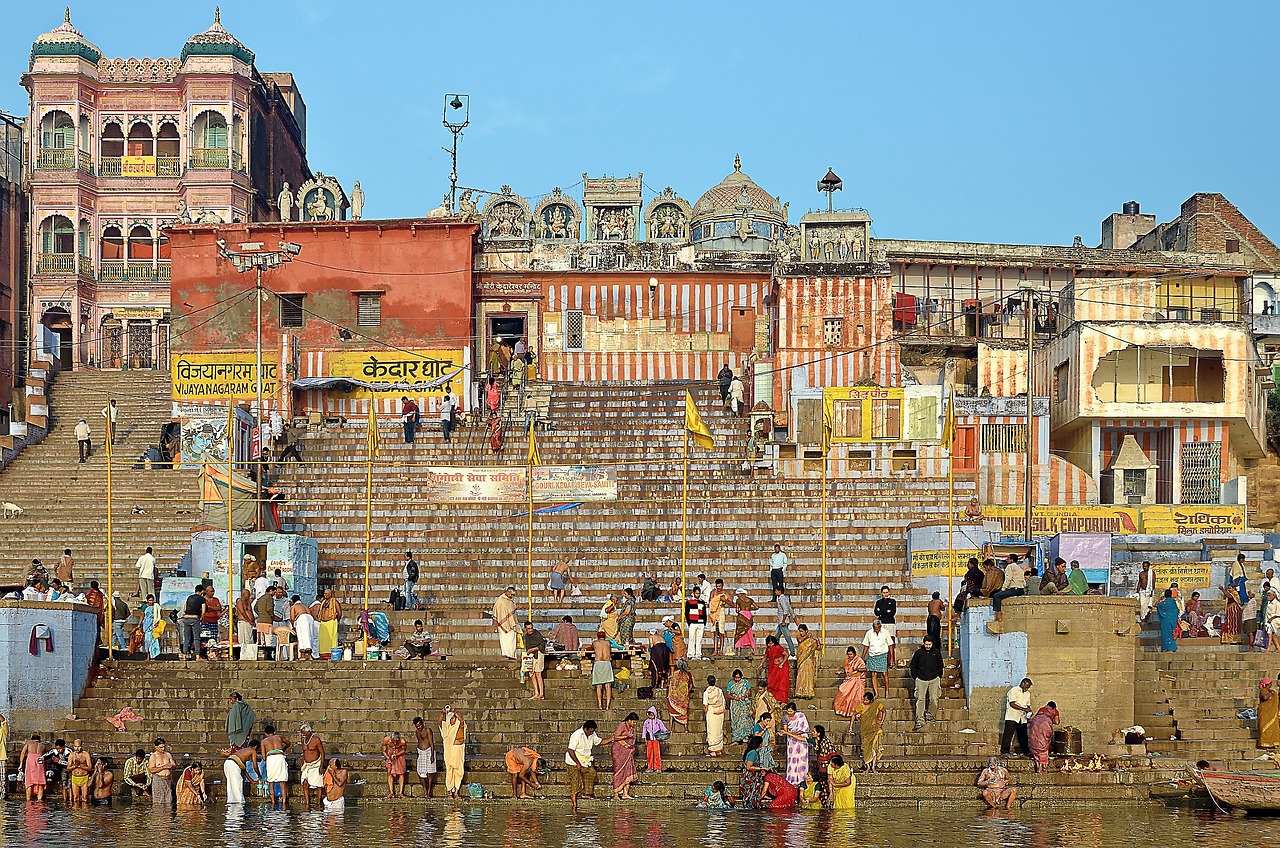
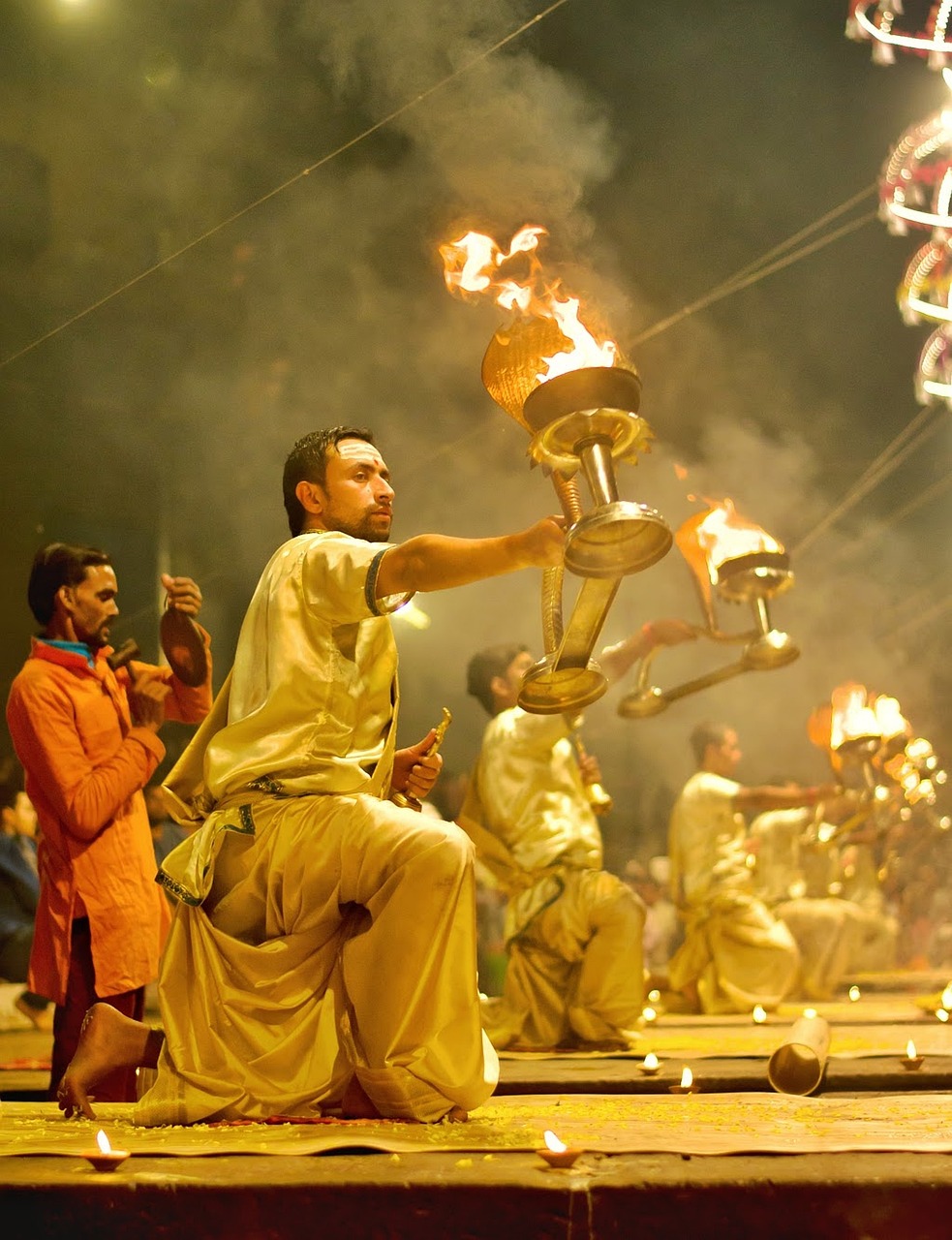
Varanasi, or Kashi ("The City of Light"), is regarded as one of the world’s oldest continuously inhabited cities. Flanked by the crescent curve of the sacred River Ganga, it revolves around the eternal cycle of life, death, and spiritual release.
The Spirit of Ayodhya: Rama and the Sarayu
Ayodhya, resting along the banks of the serene Sarayu River, is the legendary capital of the ancient Kosala Kingdom and the birthplace of Lord Rama. Where Varanasi contemplates mortality and detachment, Ayodhya celebrates the ideal human existence and the embodiment of Maryada (honor, righteousness, and order).
The Living Connection
A powerful cultural thread connects the two cities through the 16th-century saint-poet Goswami Tulsidas. Though Tulsidas began composing his epic Ramcharitmanas in Ayodhya, he completed it and spent his final years along the ghats of Varanasi at Assi Ghat.
Together, Varanasi and Ayodhya form a complete spiritual pilgrimage: one teaches how to navigate the mortal duties of this world, while the other offers passage beyond it.
Secure your spot for an unforgettable nature adventure now!

To receive our best monthly deals